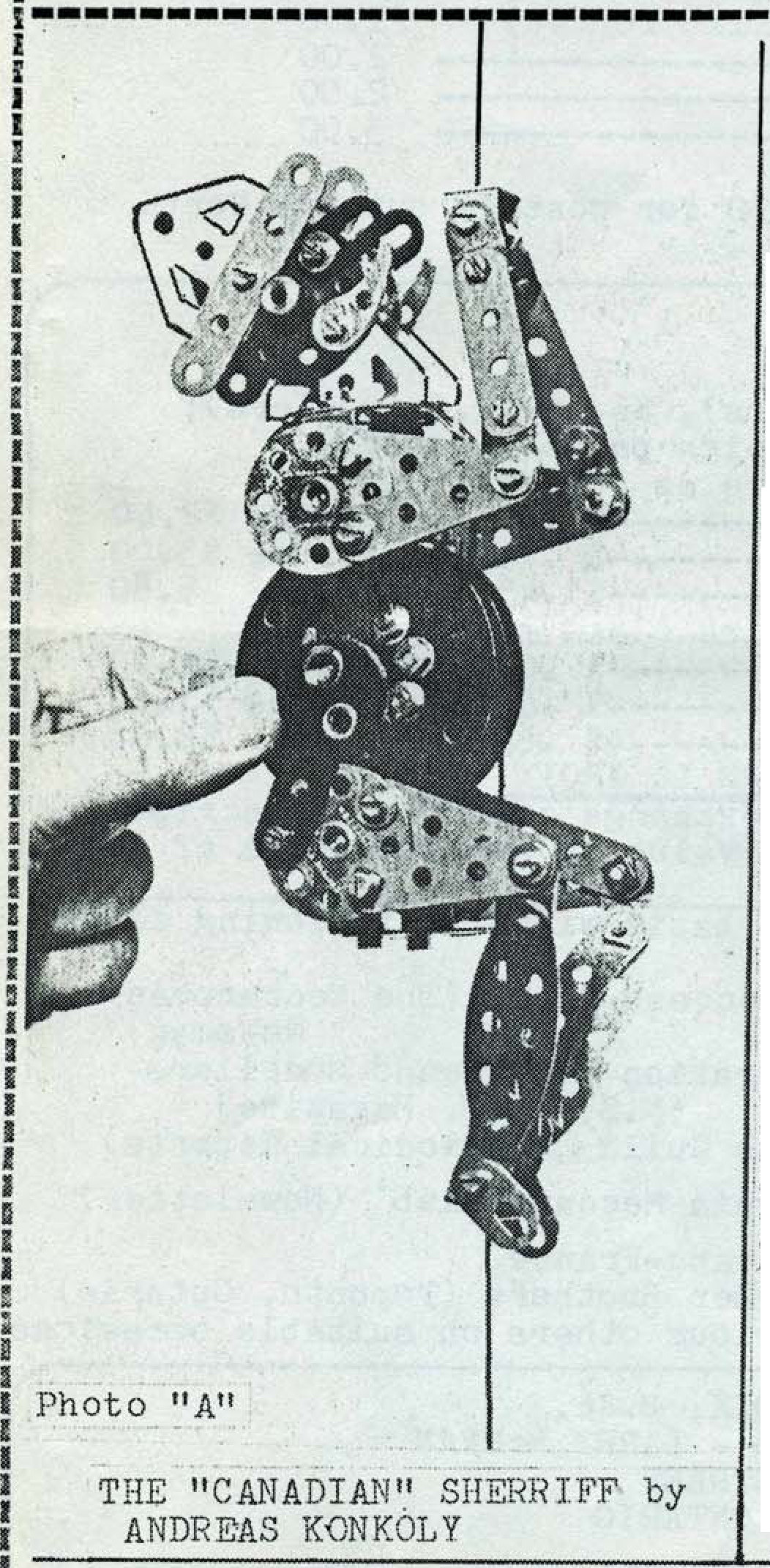
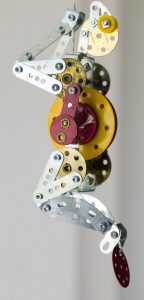
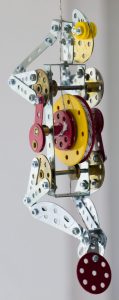
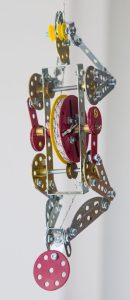
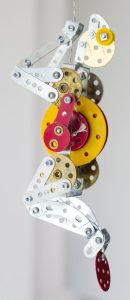
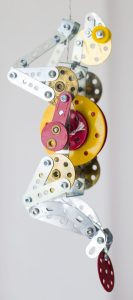
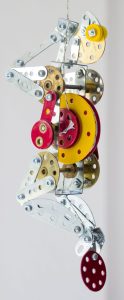
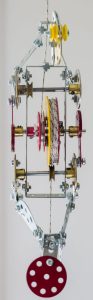
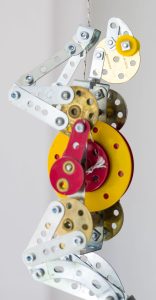
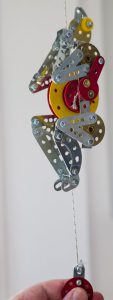
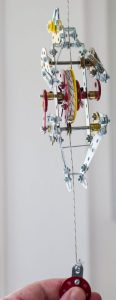
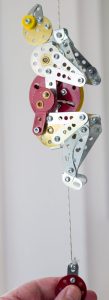
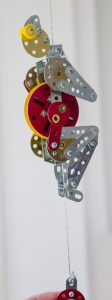
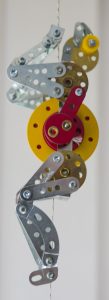
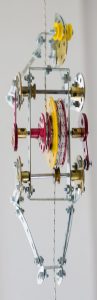
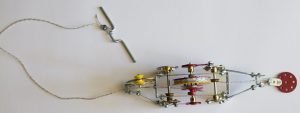
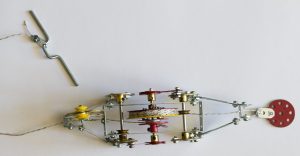
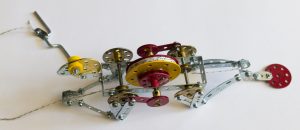
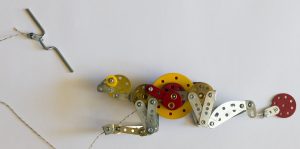
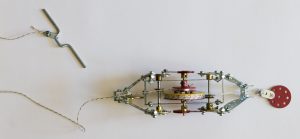
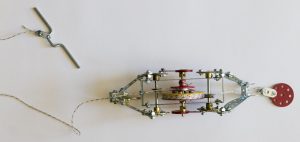
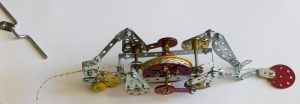
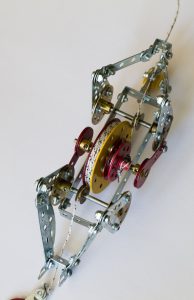
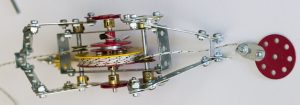
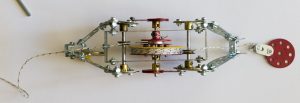
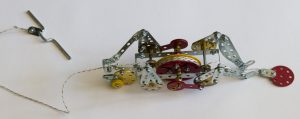
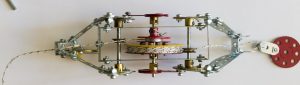
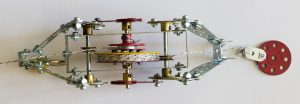
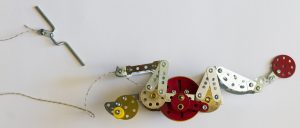
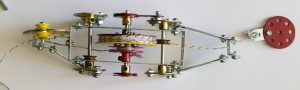
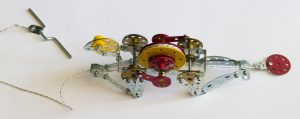
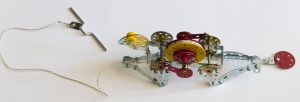
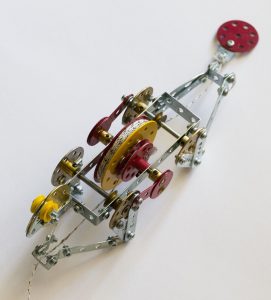
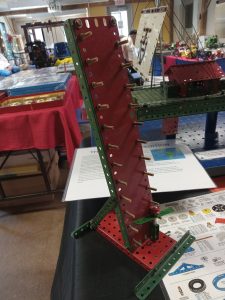
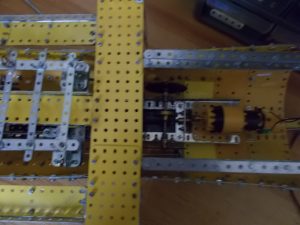
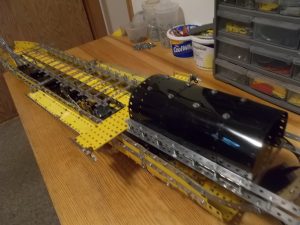
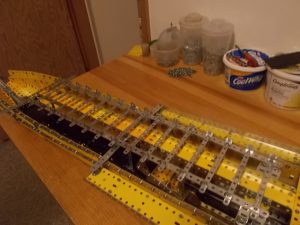
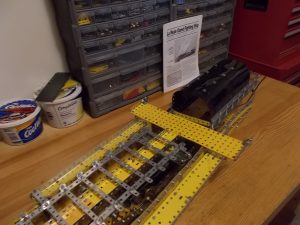
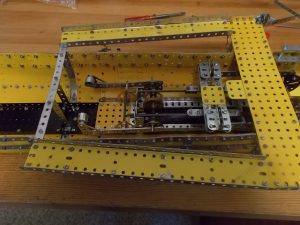
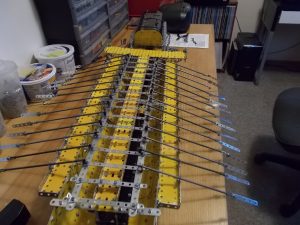
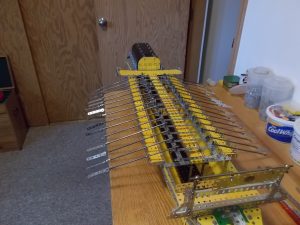
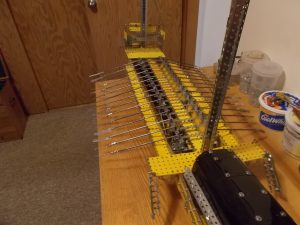
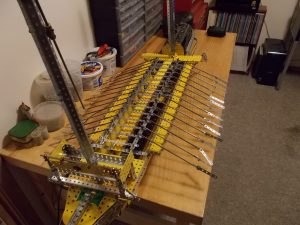
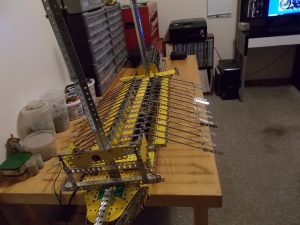
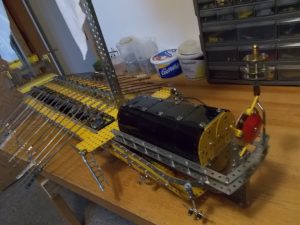
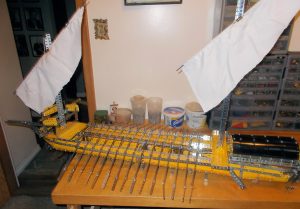
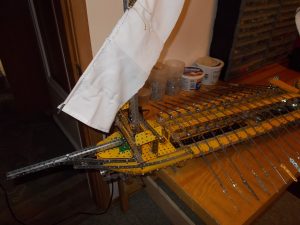
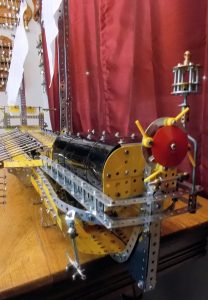
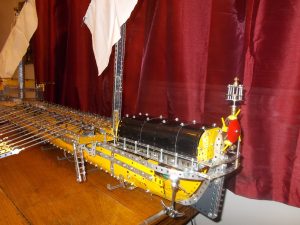
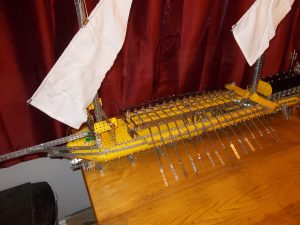
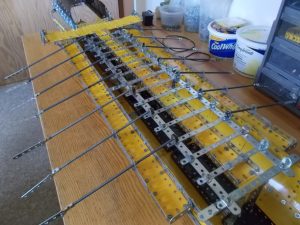
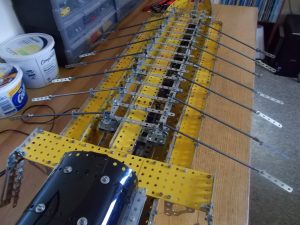
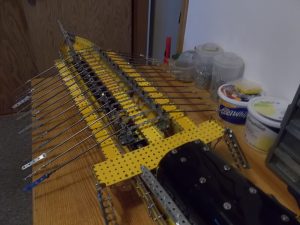
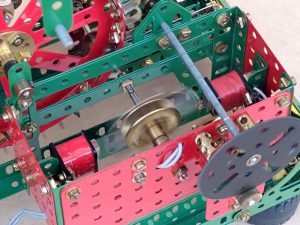
The building instructions for the “Canadian Sheriff”,
designed by Andreas Konkoly, were published
in our November 1982 newsletter, available on our website.
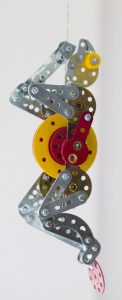
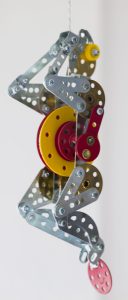
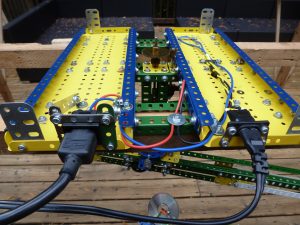
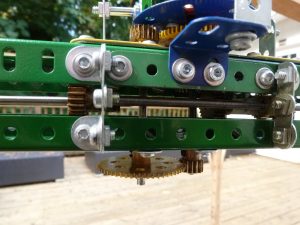
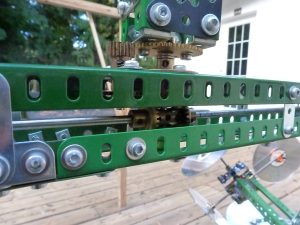
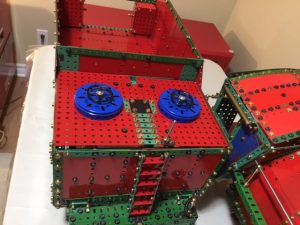
Georg Eiermann of the Stuttgart area, Germany, rebuilt this model under the new name “Climbing Monkey”.
He wanted a funny model to entertain his 2 1/2 year old granddaughter.
“With the current tropical heat, a cold model would of course be pleasant. But tropical models are also suitable.”
“I built a monkey climbing up a rope. It is a model based on a design by Andreas Konkoly, which was called “Canadian Sheriff”.”
“And btw in the first few seconds of my video everything is visible.
The trick are two drums for the cord of different sizes.
I changed the design of the head from Canadian Sheriff to monkey.”
There are 4 entries in this year’s model building contest, all using Meccano.
They are listed below, in random order. Please decide upon your favourite model. One vote per person.
The winner will be announced in the November 2025 issue of Canadian MeccaNotes.
CMAMAS members should vote by replying to the voting announcement e-mail they received.
Non-member Voting:
Vote by sending an e-mail to voting@cmamas.ca by Monday, November 3, 2025.
———-
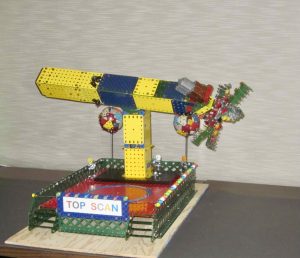
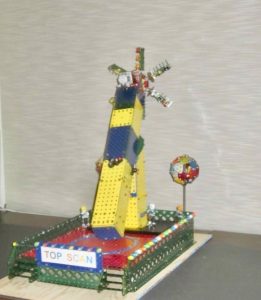
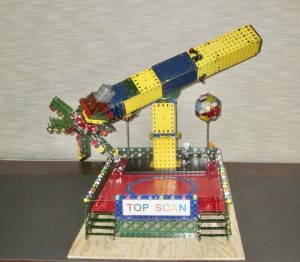
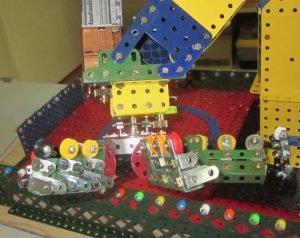
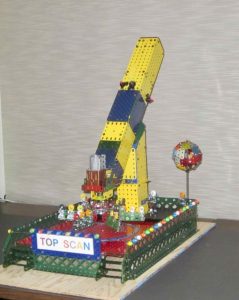
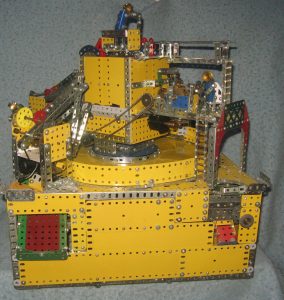
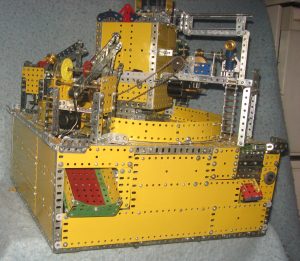
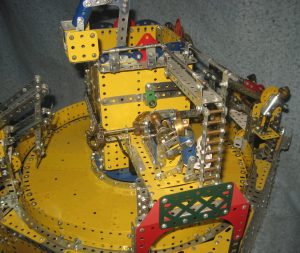
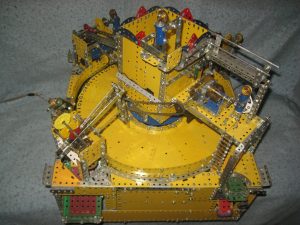
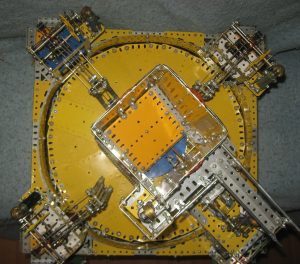
Entry 01 – Top Scan
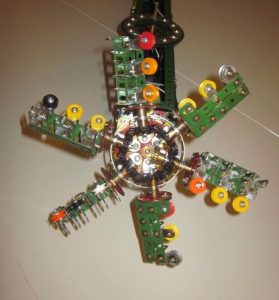
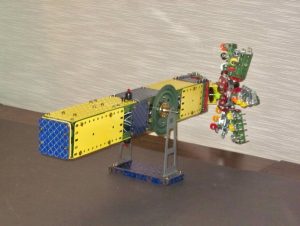
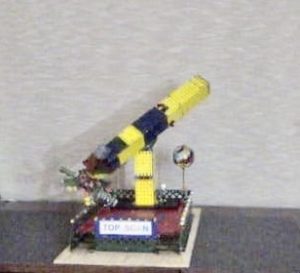
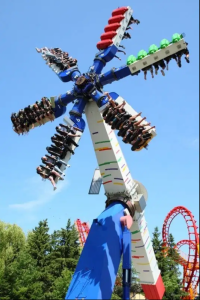
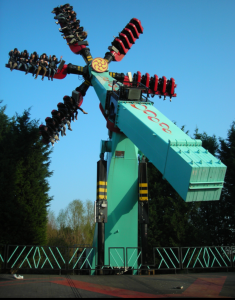
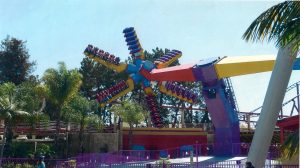
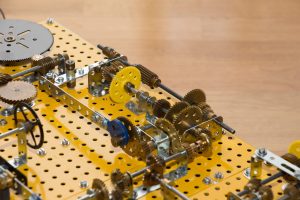
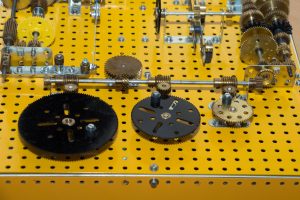
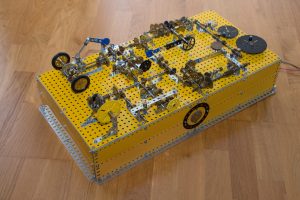
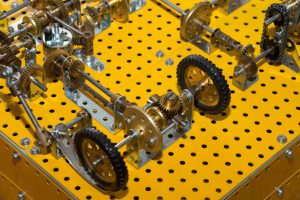
Amusement-park rides have long provided popular subjects for Meccano models and some of the modern rides with complex motions require interesting mechanisms. One such is Top Scan with rotations about three separate axes.
———-
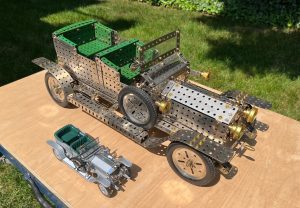
Entry 02 – Body & Chassis
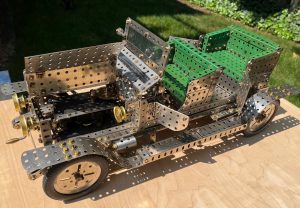
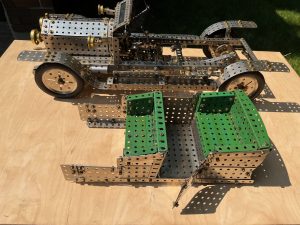
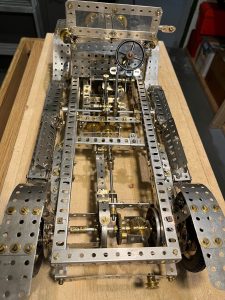
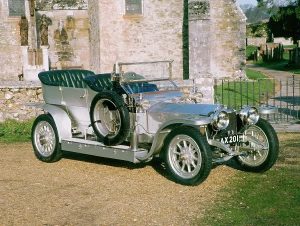
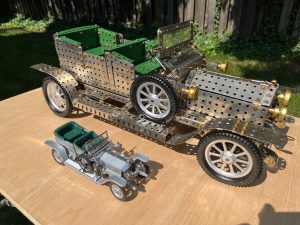
1907 Rolls Royce Silver Ghost Body on Modified 1928 Meccano Motor Chassis.
———-
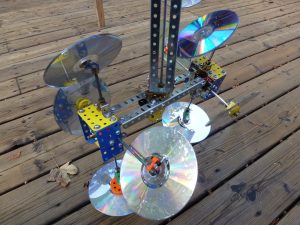
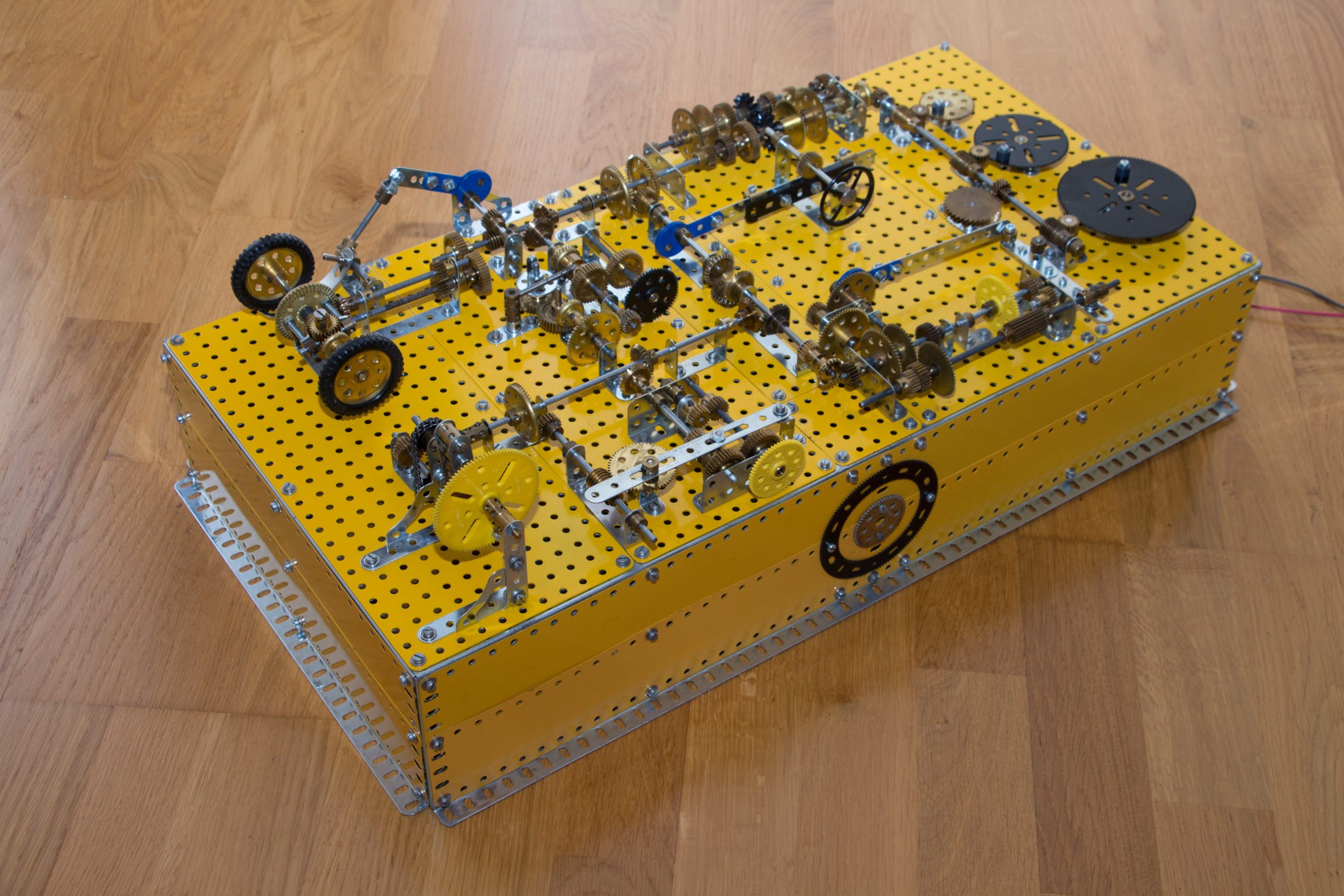
Entry 03 – Meccanobile
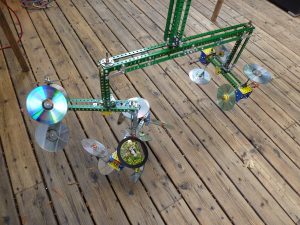
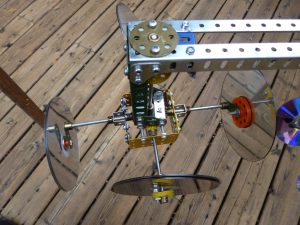
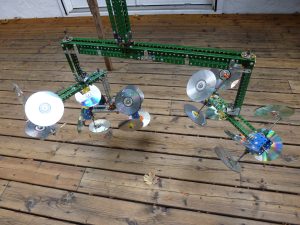
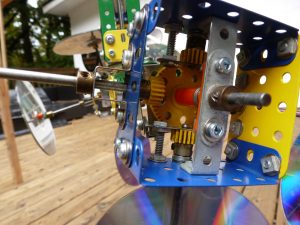
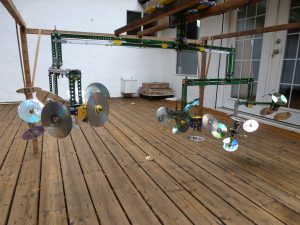
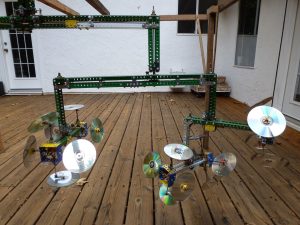
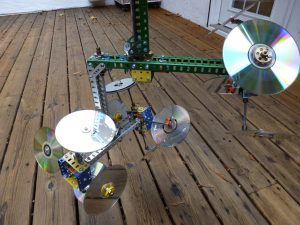
I’m calling this a Meccanobile (a mechanized mobile built with Meccano and powered by a motor). I had the idea to build this when seeing a pile of excess of DVDs around the house.
———-
Entry 04 – Sweepers
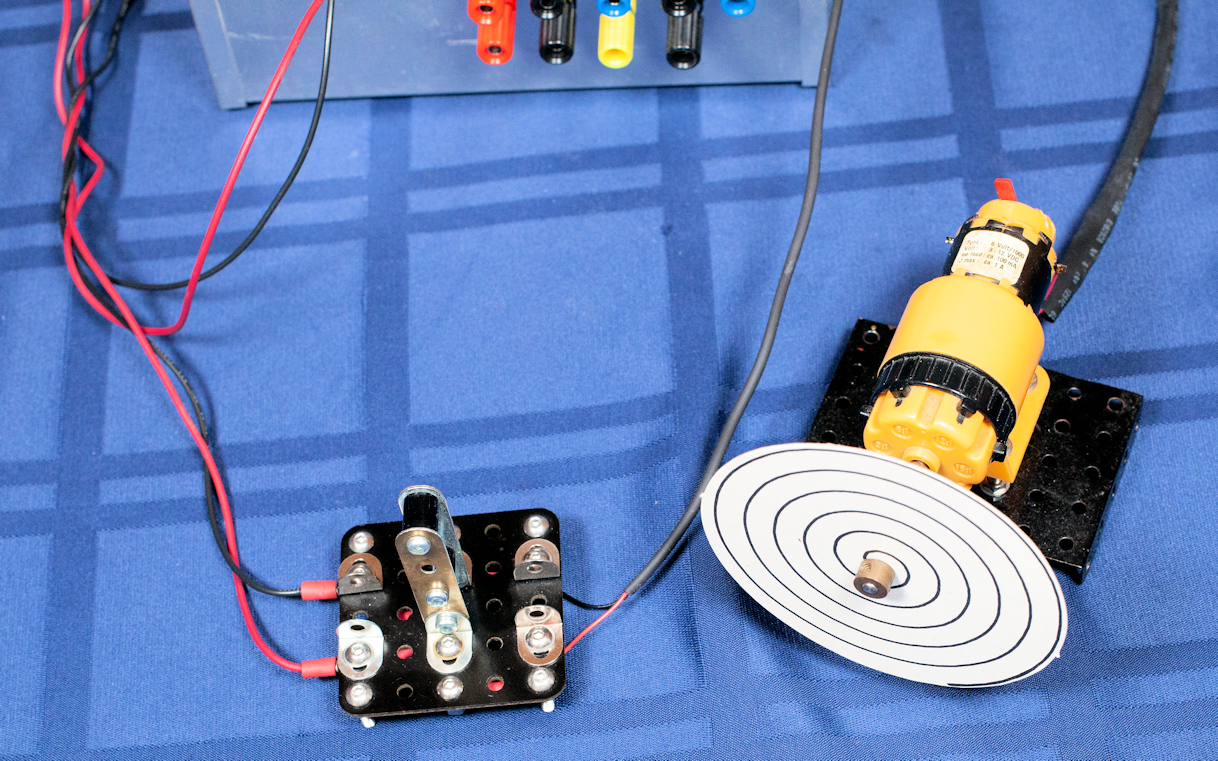
This model was inspired by a similar game featured in a Mario Party video game. This coin operated model features a supply of candies stored in a central hopper. Upon inserting a coin, in this case a Canadian 25cent piece, the mechanism is activated.
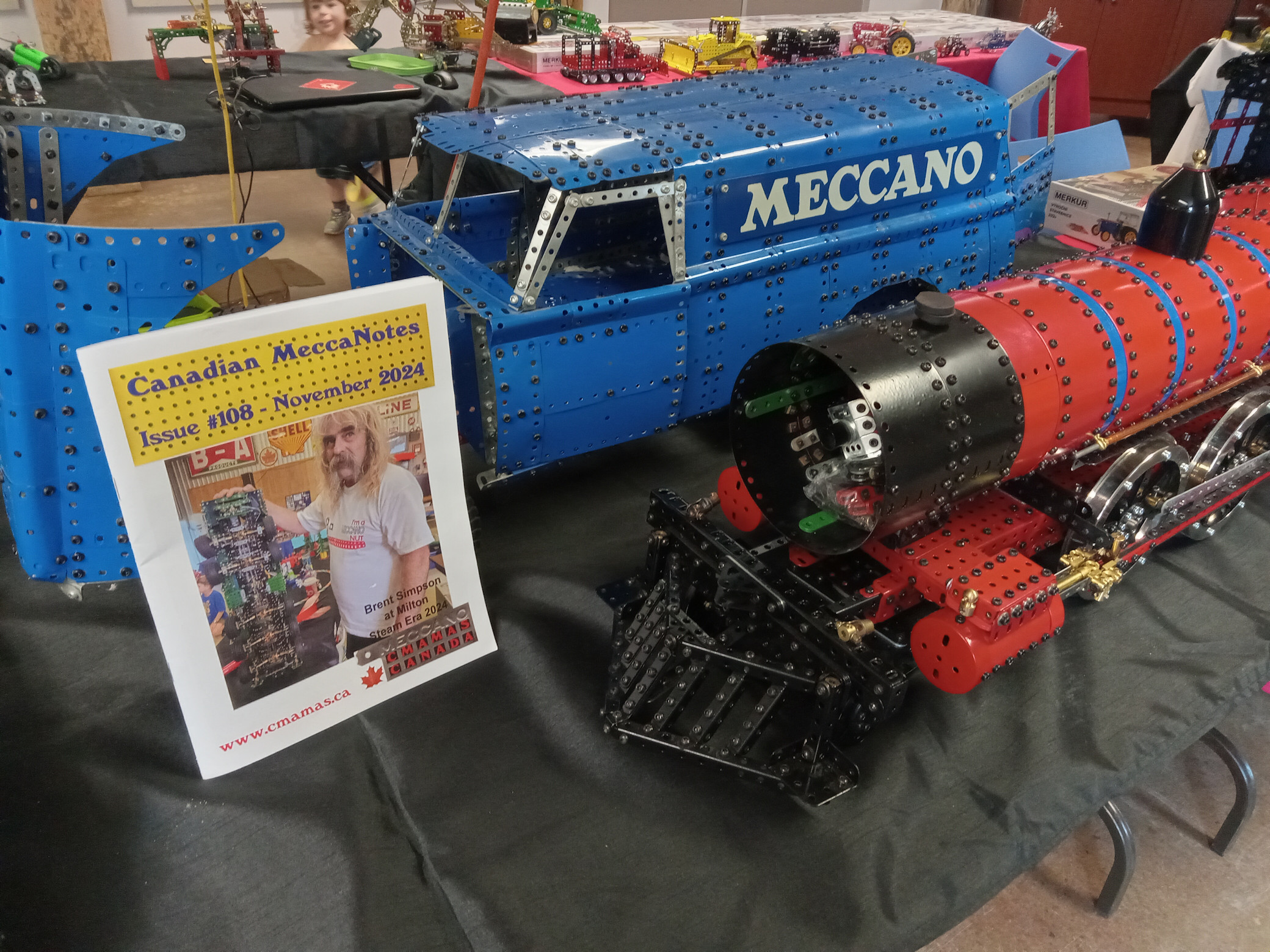
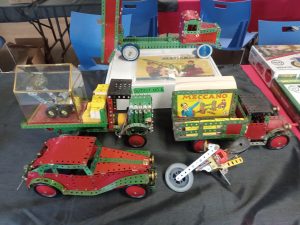
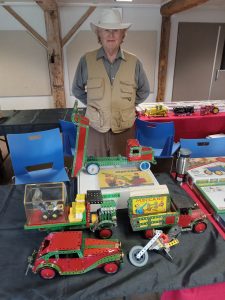
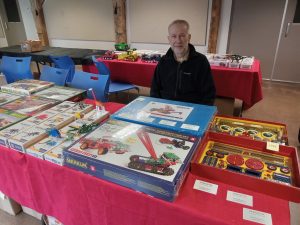
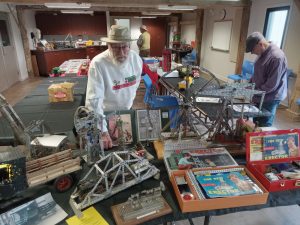
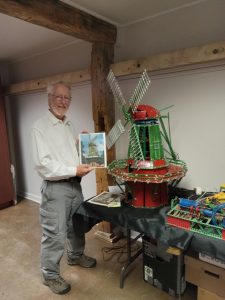
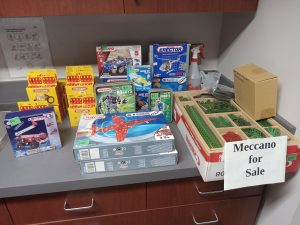
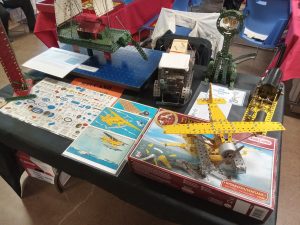
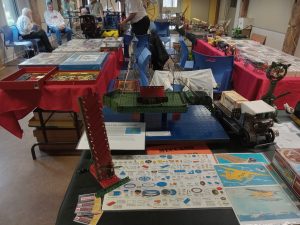
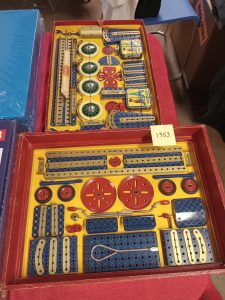
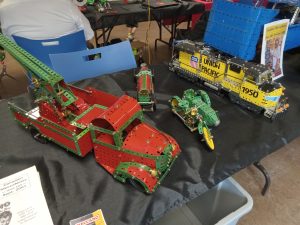
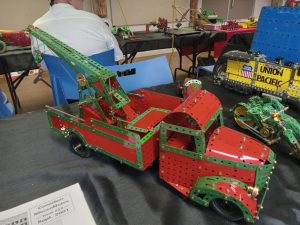
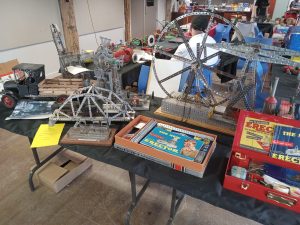
CMAMAS Meccano Exhibition at Simcoe County Museum – Wheels and Tracks
June 7-8, 2025
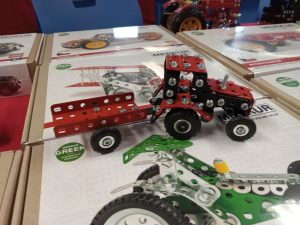
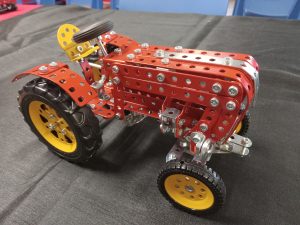
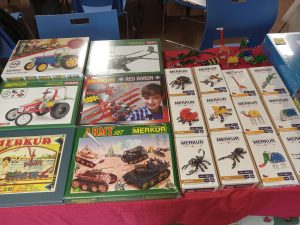
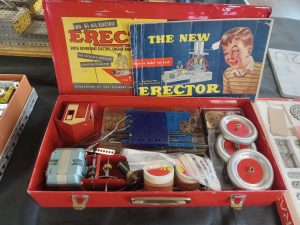
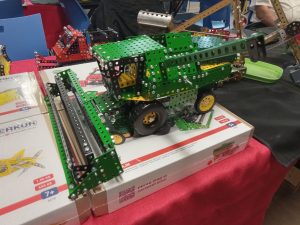
Also on display were modern Merkur construction sets & models from the Czech Republic, vintage Gilbert Erector sets & models from the USA and vintage Trix models from Great Britain.
More details will be in the show report in the July 2025 issue of Canadian MeccaNotes.
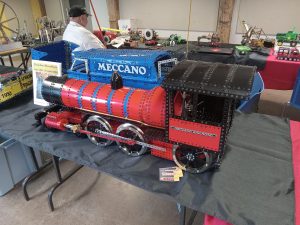
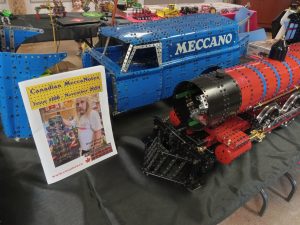
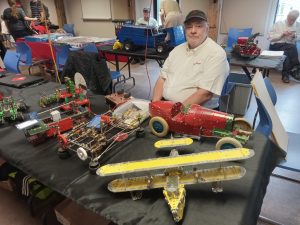
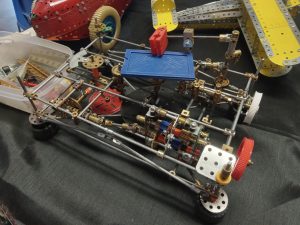
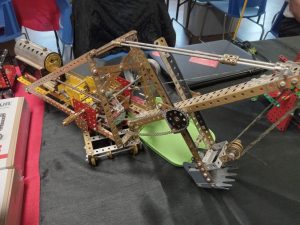
These photos and video are from the exhibition at Wheels & Tracks in Barrie, ON, Canada.
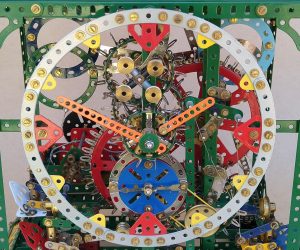
This video and photos are from Dennis Caswell’s rebuild of CSM10. See the article in the November 2024 issue of “Canadian MeccaNotes” for more details.
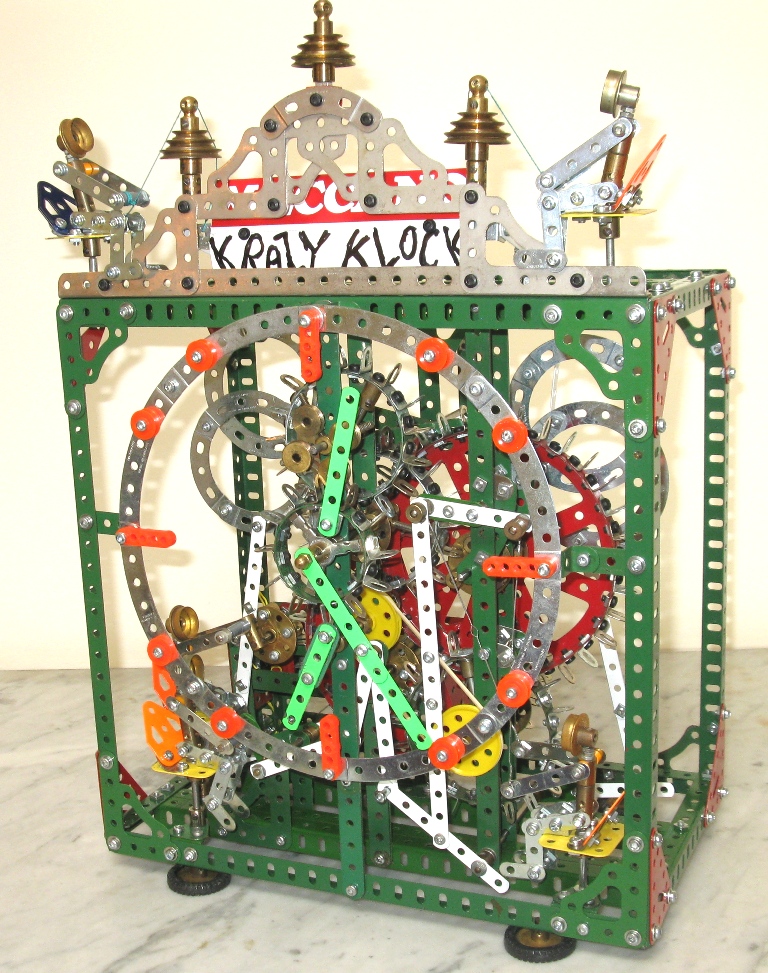
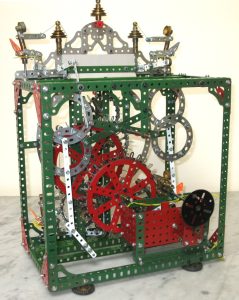
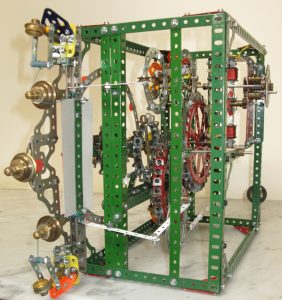
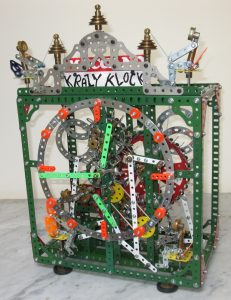
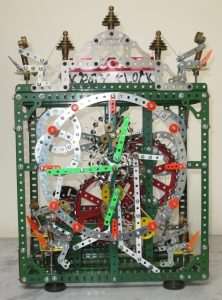
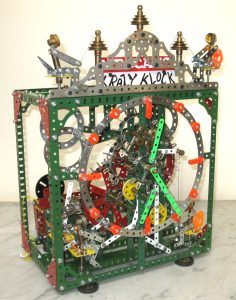
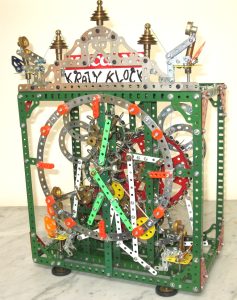
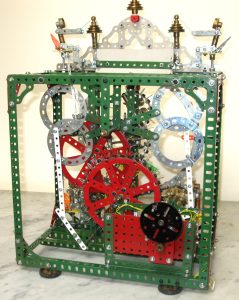
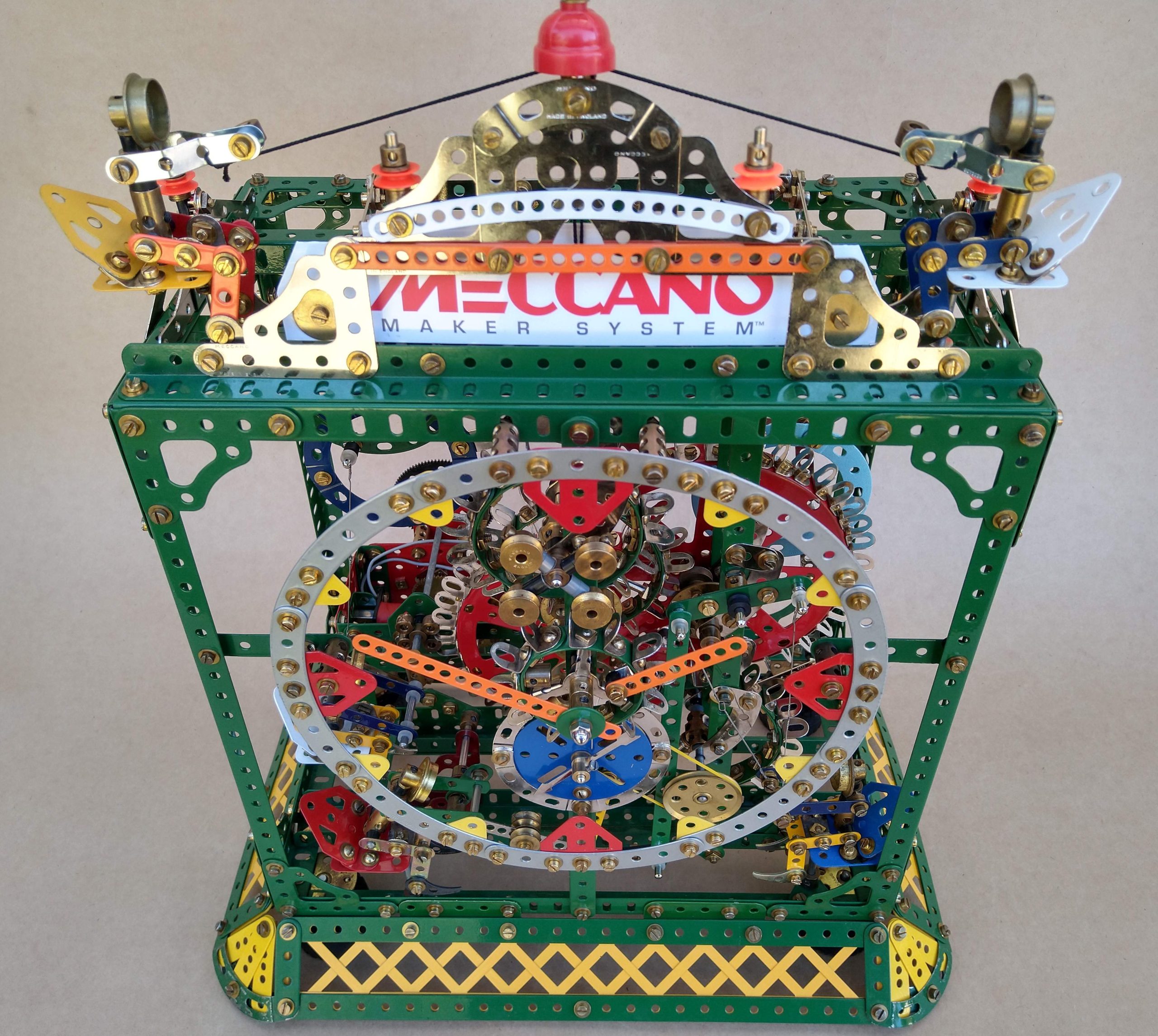
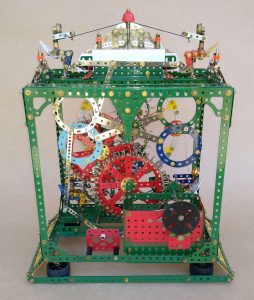
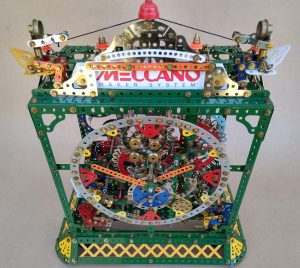
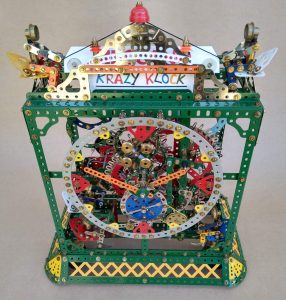
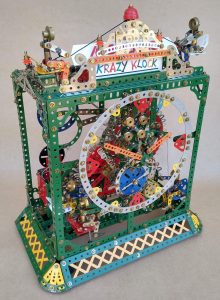
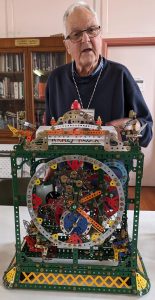
Keith Cameron’s Krazy Klock makes a Welcome (?) Return
by Graham Jost
So I decided to rebuild Keith Cameron’s Krazy Klock – the one that I had first built 27
years ago. Why? Well there had been a little chatter on Spanner about it; I had no
other model in mind and besides, Mary always said I should rebuild it, so there!
My first problem was to find the instructions. I had either mislaid or sold them years
ago. But happily the CMAMAS now has their Canadian Special Model Plans available
on their website, so there I went: it’s CSMP #6.
So where to start? Where Keith does, of course, after the basics of the frame: the
motor. Ah-ha, now there’s the first problem. I find I have just three spare Meccano
Magnets available, not the four required. But I do have a stack of modern Neodymium
magnets in several configurations, one of which comes close to Meccano Magnet
dimensions: same length and thickness but half the width and with a square cross-section.
So would those work? Well I tried them, and bingo, not only do they work, but
they work extremely well. Check out the close-up motor photo to see what I mean.
Only half the size of Meccano equivalents with their tips miles away from the ends of the
Rectangular Cores, but still they work and with a mighty punch too. First problem
solved! I skipped the starting mechanism as I found that you can feel the motor lock in
as you roll your palm gently across the 2 ½” Gear. OK, on to the rest of the model.
No real problems for some time. The large built-up gears work out well, but I cringed at
building the smaller ones using overlapping longer Strips curved to achieve the required
circles – three of them. In each case I took longer strips and cut them to length to form
a butt-joint, lapping a short Strip on the inside of the formed Strip to secure the gap.
This works well and surely minimises any eccentricity or out-of-roundness of the
completed circular profiles.
I reached the end of Keith’s instructions without serious further ado, but there is always
a deal of checking and minor adjustment to make sure that all moving items clear all
other moving items, as this klock provides several close shaves! I relocated the second
hand Pointer to be central and lower within the klock face, backed by a Faceplate (less
boss) and surrounded by a circle of my narrow 2½” Curved Strips.
I moved the pediment back one half-inch by reversing the Angle Girder at top front.
That meant moving all signage and little men on top back by the same amount, along
with a revised arrangement for operating the moving Meccano sign. The second little
man at top left matches that at top right: it seemed sensible to have two little men lifting
that heavy Meccano sign! Behind the central overhead ornament a nickel-plated
Threaded Pin is provided for the string – modern black – to glide over. That works well:
bulky ½” Pulleys are not necessary there.
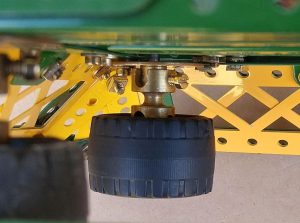
As for my first Krazy Klock, I added a skirt of overlapped Braced Girders which I think
improves its overall appearance. It also conceals the four bulky French rubber tyre feet
within, which actually support the Klock. They are mounted on Socket Couplings and
project so that the skirt remains slightly clear of the table.